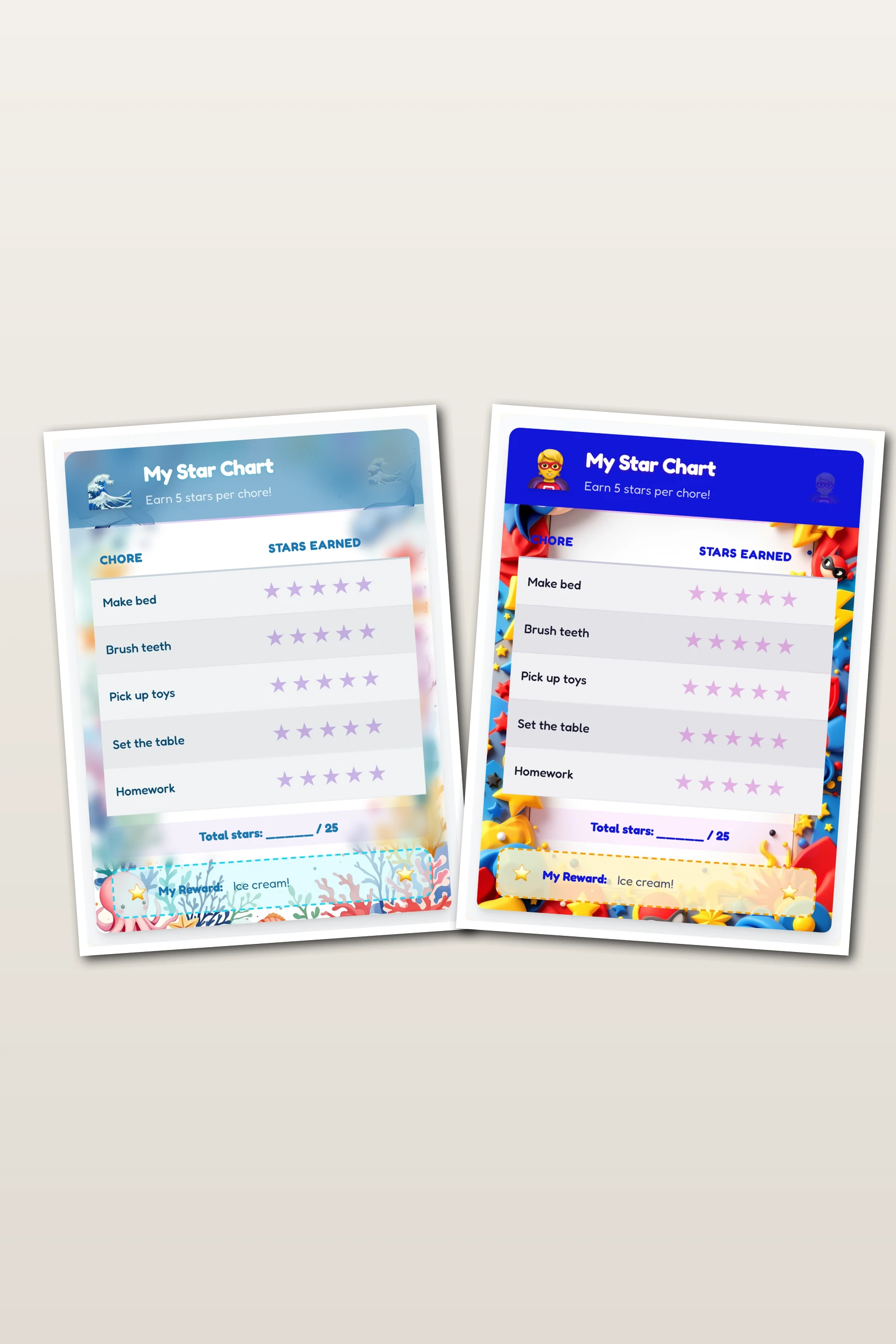
Yazdırılabilir mi Dijital Görev Tabloları mı: Hangisi Daha İyi?
Elli uygulama ve bir kağıt. Altı yaşındaki bir çocuğu ayakkabılarını dolaba koymaya ikna etmeye çalışırken gerçekten önemli olan kategorilerdeki maliyet, katılım ve esneklik üzerine dürüst bir karşılaştırma.
Fifty Apps and a Sheet of Paper
Search "chore chart" in any app store and you will find at least fifty options. Some have gamification with coins and avatars. Some send push notifications to your child's tablet. Some generate weekly reports with pie charts showing chore completion rates. The feature lists are genuinely impressive.
Then there is the printable chore chart. A piece of paper on the fridge with checkboxes. No notifications, no syncing, no monthly subscription. It is a technology that predates electricity, and millions of families still prefer it. That is not nostalgia. That is a piece of paper doing something that fifty apps have failed to replace for a very specific reason.
Both approaches work. But they work for different families, different ages, and different goals. This is an honest comparison across the categories that actually matter.
Printable vs Digital: Feature Comparison
| Feature | Printable Charts | Digital Apps |
|---|---|---|
| Cost | Free to $15 one-time | $3–10/month subscription |
| Setup Time | 30 seconds to print | 10–20 min to configure |
| Customization | Unlimited themes & formats | Limited to app options |
| Tactile Engagement | Stickers, coloring, physical | Tap a checkbox |
| Screen Time | Zero added | Adds another app |
| Automation | Manual resets | Auto-reset, reminders, reports |
| Data Tracking | Visual only (wall of stickers) | Charts, statistics, history |
| Multi-Kid Support | Print separate charts | Usually paid tier |
| Offline Access | Always available | Depends on app/connection |
| Parent-Child Interaction | Built into daily check-in | Requires intentional effort |
2026'da mevcut en popüler görev tablosu uygulamaları ve yazdırılabilir tablo oluşturuculara dayanmaktadır.
Cost: Real Numbers, Not Marketing
The popular chore chart apps charge between three and ten dollars per month for their full-featured plans. Most offer a free tier, but the free version usually limits you to one child, three chores, and no customization. The features that actually make apps useful — multiple kids, custom chores, reward tracking, reminders — are behind the paywall.
At five dollars per month, a chore chart app costs sixty dollars per year. Over the three to five years a typical family actively uses a chore chart system, that is one hundred eighty to three hundred dollars. For a checklist.
Premium printable chart packs on Etsy or teacher resource sites run three to fifteen dollars for a bundle of designs. Many sites, including ours, offer fully customizable charts for free. The cost of printing is roughly five cents per sheet if you use a home printer. Even printing a new chart every single week for a year costs about two dollars and sixty cents in paper and ink.
There is no scenario where a digital app is cheaper unless you use only the stripped-down free tier forever. For families watching their budget, printable charts win this category by a wide margin.
Çıkartma Etkisi Gerçektir
Beş yaşındaki bir çocuğun tabloya çıkartma yapıştırmasını izleyin. Dikkatlice soyer, tam olarak konumlandırır, avucunun tamamıyla bastırır, sonra geri çekilerek işini hayranlıkla izler. O altı saniyelik ritüel ince motor becerileri, mekansal farkındalık ve başarıyı temsil eden nesneyle fiziksel temas içerir. Ekran dokunuşu bunu tekrarlayamaz. 10 yaşın altındaki çocuklar için yazdırılabilir tabloların dokunsal avantajı, takip edilen çalışmayla ölçülebilir biçimde daha güçlü bir duygusal bağlantı yaratır.
10 Yaşın Altındaki Çocuklar İçin Dokunsal Avantaj
Young children process accomplishment through physical interaction. They need to touch, hold, and see their progress in the real world. A wall of stickers is a trophy case they walk past every time they go to the kitchen. A list of digital checkmarks exists only when the app is open.
This physical engagement advantage fades as children get older. By age ten or eleven, kids are comfortable with digital interfaces and may actually prefer them. But for the core chore-chart years — ages three through nine — the printable format creates a stronger emotional connection to the work being tracked.
Printable Charts: Pros and Cons
Pros
- Zero cost or one-time purchase — no subscriptions
- Physical sticker/check ritual drives engagement for kids under 10
- Sınırsız format çeşitliliği: yıldız tabloları, haftalık ızgaralar, günlük kontrol listeleri, ödül takipçileri
- Ekran süresi eklenmiyor — cihaz kullanımını azaltmayla tutarlı
- Günlük ebeveyn-çocuk kontrolü buzdolabı başında doğal olarak gerçekleşir
- Works offline, always visible, no battery or Wi-Fi needed
Cons
- Manuel haftalık sıfırlama — her hafta yeni bir tablo yazdırırsınız veya çizersiniz
- No automated reminders or push notifications
- No long-term statistics or completion tracking
- Fiziksel tablo zarar görebilir, kaybolabilir veya eski çıkartmalarla dolup taşabilir
- Requires a printer or willingness to hand-draw
Printable charts excel at engagement and parent-child connection, especially for children under 10. The main trade-off is the lack of automation and data tracking.
Ebeveyn Çabası Dengesi ve Ekran Süresi
Apps automate. Printables connect. That is the trade-off, and it is real.
A chore chart app can send push notifications when it is chore time, automatically reset the chart each week, track completion statistics over months, and send a parent a daily summary without anyone touching the fridge. If you travel for work or have a chaotic schedule, this automation is genuinely valuable.
A printable chart requires you to physically stand at the fridge with your child every day and look at the chart together. You check the boxes together, talk about what got done and what got missed, and place the stickers together. That daily moment is extra work. It is also the best part.
Family therapists consistently recommend daily rituals that involve brief, positive, focused interaction between parent and child. The thirty-second chore chart review is one of the easiest rituals to build. You are already at the fridge making dinner. Your kid is already nearby. 'How did your chores go today?' creates a connection point that an app notification cannot replicate.
Most parents are also actively trying to reduce their children's screen time. Adding a chore chart app means adding another reason for a child to pick up a device. Printable charts exist entirely outside the digital world — checking the chart, placing stickers, and reviewing progress all happen without touching a screen.
Frequently Asked Questions
Hibrit Yaklaşım ve Yaşa Göre Son Karar
Some families find the best solution is not either-or but both. A printable chart on the fridge handles daily chores, check-ins, and sticker rewards. A simple app or spreadsheet tracks long-term reward progress, like points earned toward a bigger prize over weeks or months.
Under six years old: printable charts win on every measure. Physical interaction drives engagement. Cost is zero. Screen time is not added. There is no argument for a digital app at this age.
Ages six through ten: printable charts are still preferred for most families. The tactile advantage remains strong, and the daily parent check-in creates valuable interaction. Kids may enjoy the novelty of an app for a few weeks, but engagement tends to drop once the gamification loses its shine.
Ages ten and up: either approach works. Older kids are comfortable with digital tools and may prefer the independence of checking off chores on their phone. If your tween already manages school assignments digitally, adding chores to that workflow makes sense.
If you are reading this and your kids are under ten, start with a printable chart. It costs nothing, it works immediately, and you can always add an app later.
Önerilen Görev Tablosu Şablonları
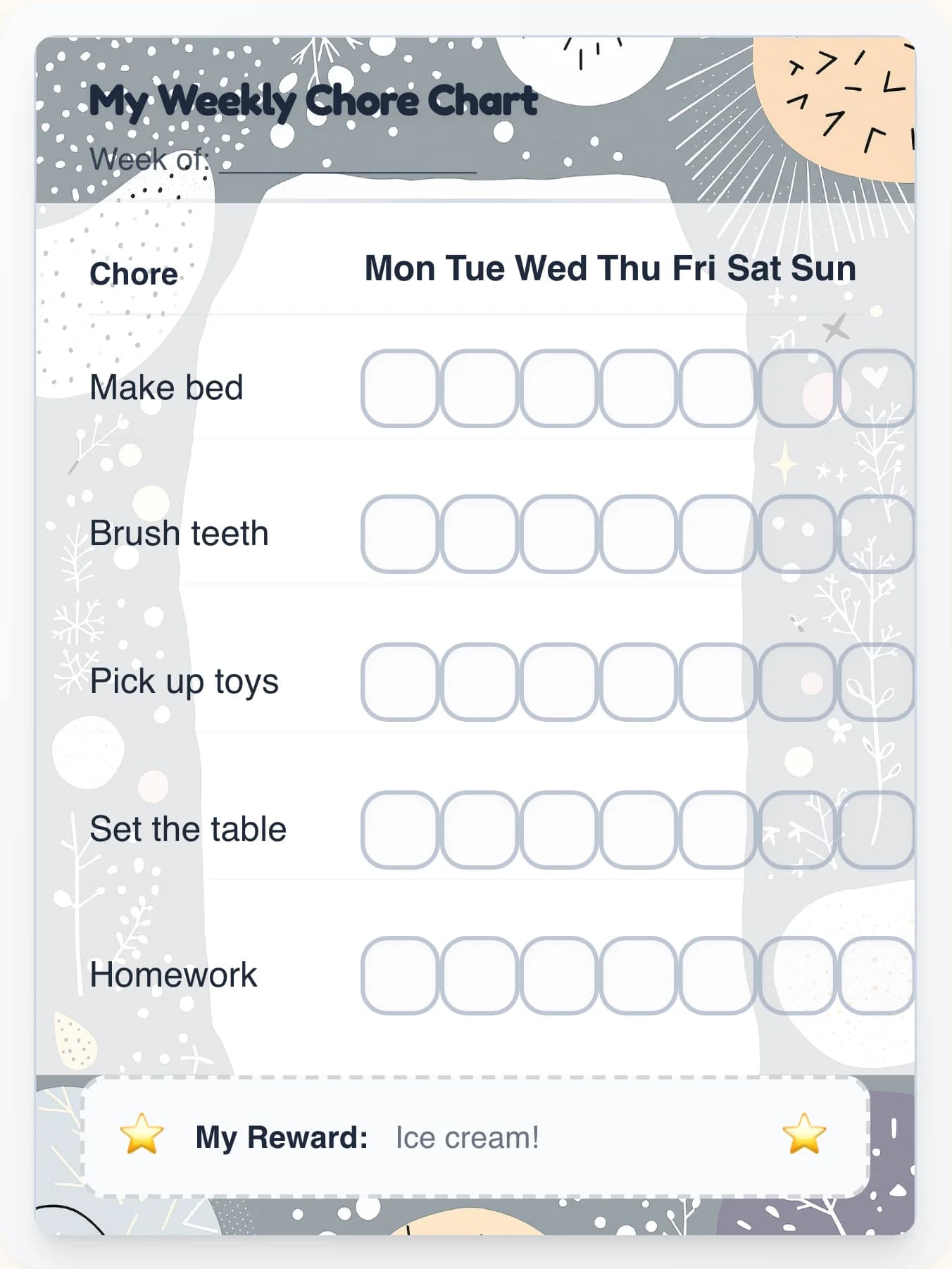
Minimal Flat
Clean geometric borders with muted tones
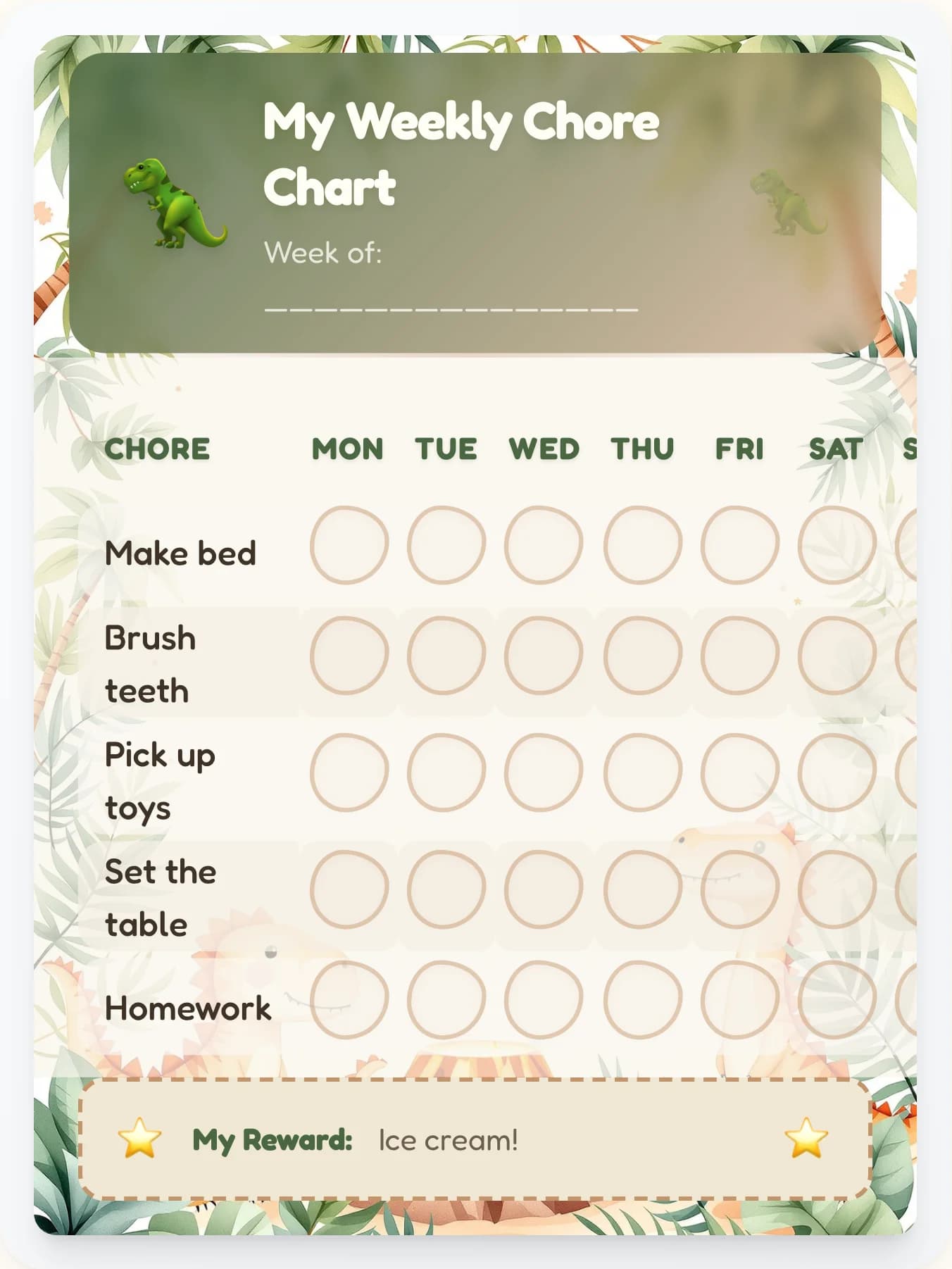
Dinosaur Watercolor
Soft hand-painted dinosaur borders with earthy tones
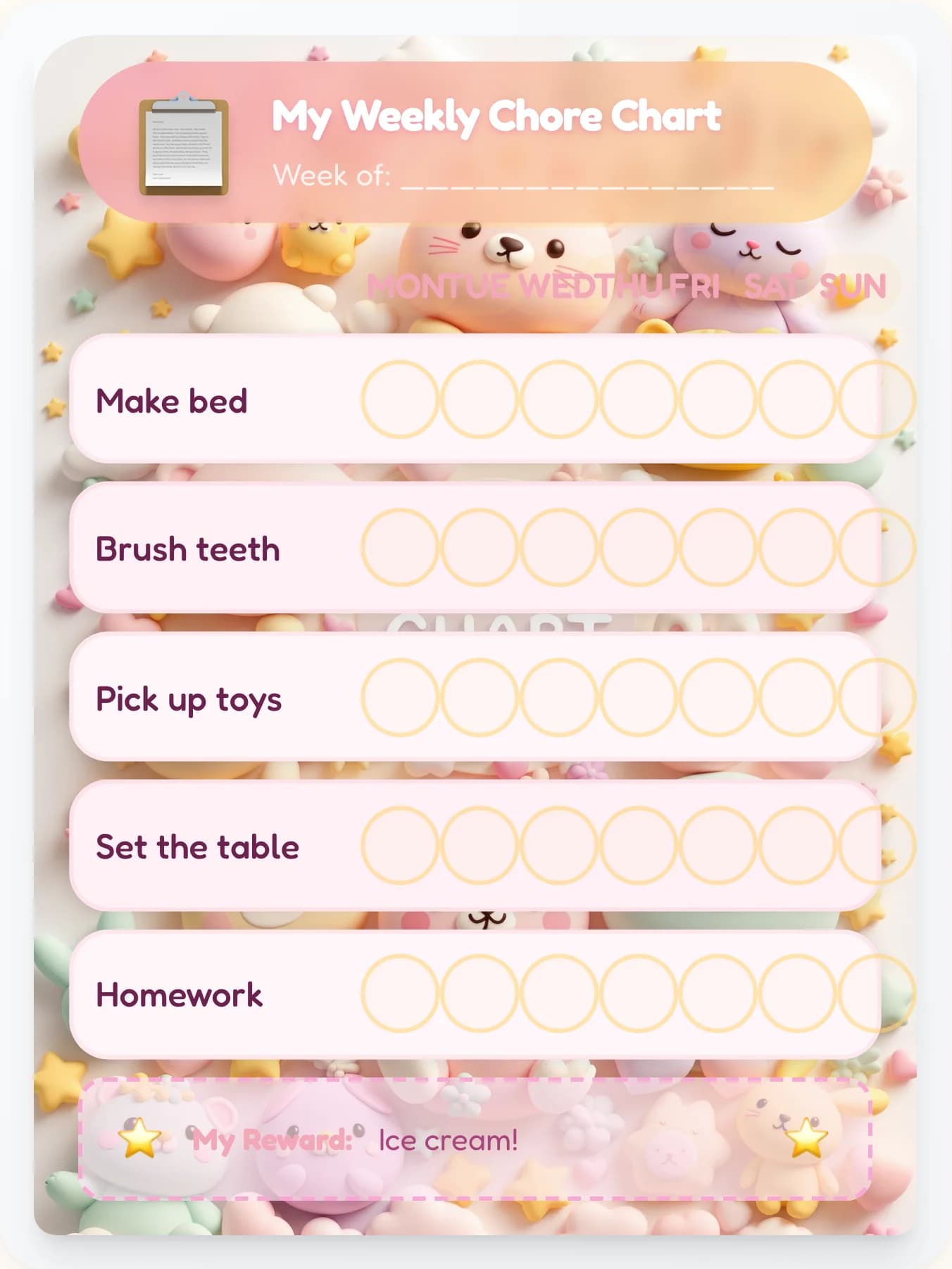
Squishy Puff Pals
Adorable 3D clay-sculpted kawaii animals bounce across a creamy pastel canvas in coral pink and butter yellow. Every row feels like a plush toy shelf with glossy rounded shapes and soft marshmallow glow.
Yazdırılabilir Bir Tablo Denemeye Hazır mısınız?
Ücretsiz özelleştirilebilir şablonlarımıza göz atın. Çocuğunuzun sevdiği bir tema seçin, görevleri kişiselleştirin ve otuz saniyede yazdırın. Hesap gerekmez.
Ücretsiz Şablonlara Göz AtKey Takeaways
- Yazdırılabilir tablolar tek seferlik 0-15$ maliyete sahipken uygulamalar yılda 60-120$ tutar
- Dokunsal çıkartma ritüeli, 10 yaşın altındaki çocuklarda daha güçlü katılımı sağlar
- Apps win on automation: reminders, auto-reset, and long-term data tracking
- Yazdırılabilir tablolar sıfır ekran süresi ekler ve doğal günlük ebeveyn-çocuk kontrolü oluşturur
- Hibrit yaklaşım (günlük için yazdırılabilir + uzun vadeli takip için uygulama) farklı yaştaki çocuklardan oluşan aileler için en iyi işe yarar
- 10 yaşın altındaki çocuklar için yazdırılabilir tabloyla başlayın — daha sonra her zaman uygulama ekleyebilirsiniz